
Study summary
What the phase 2 retatrutide trials reported
A triple-receptor agonist reached phase 2 in obesity and type 2 diabetes. This is what the published papers described — and what they did not.
Veritide Research · 24 August 2026 · 6 min read
Retatrutide has attracted more public attention than almost any peptide currently in development, and most of what circulates about it is second-hand. The peer-reviewed record is narrower and more specific than the discussion around it.
Why the literature calls it a triple agonist
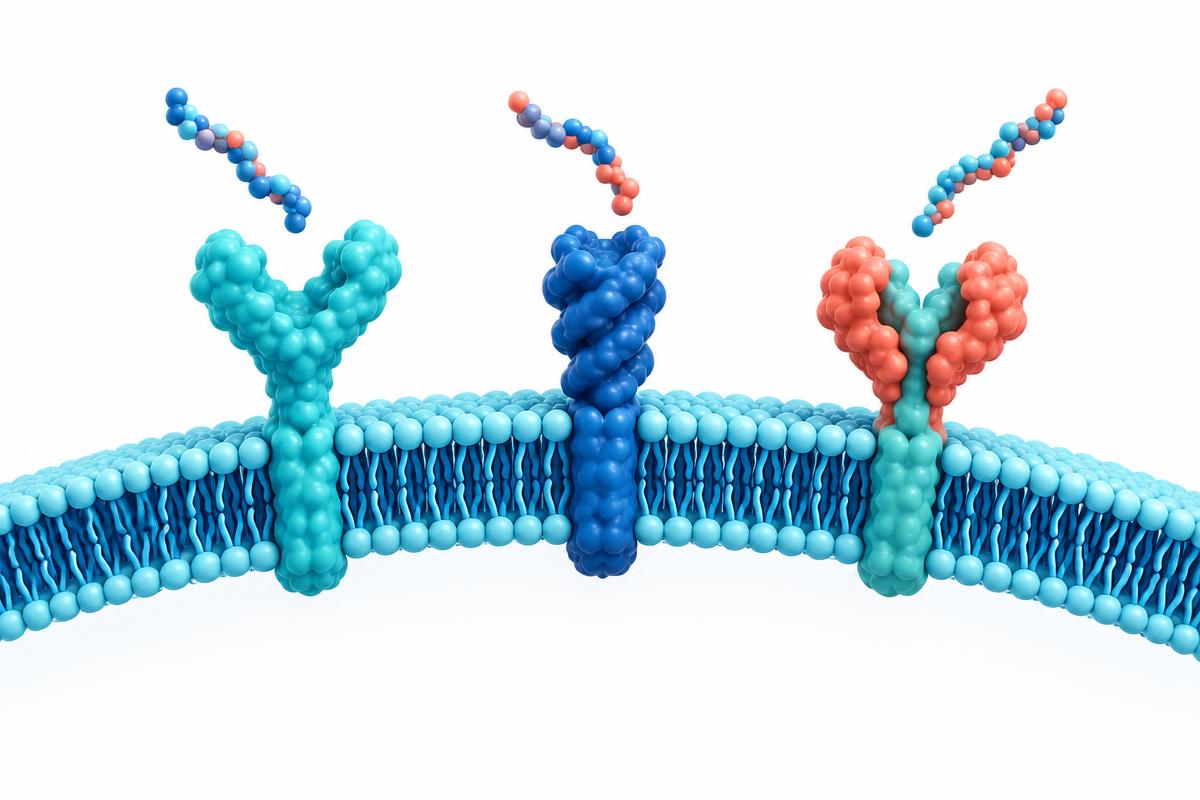
Most incretin peptides act at one or two receptors. Semaglutide-class molecules target GLP-1; tirzepatide adds GIP. Published pharmacology describes retatrutide as acting at three — GIP, GLP-1 and the glucagon receptor. Authors have treated that third arm as the reason to classify the molecule separately rather than as an incremental variant.
What the trials measured
- A phase 2 randomised, double-blind, placebo-controlled trial published in the New England Journal of Medicine in 2023 enrolled adults with obesity and reported dose-dependent reductions in body weight relative to placebo over 48 weeks.
- A second phase 2 trial examined adults with type 2 diabetes and reported changes in glycated haemoglobin across dose groups against placebo and an active comparator.
- Gastrointestinal events — nausea, diarrhoea, constipation — were the most frequently reported adverse events, described by the investigators as predominantly mild to moderate and associated with dose escalation.
The limitations the authors stated
Both trials were phase 2: relatively short, sized for surrogate endpoints, and conducted in populations defined by explicit inclusion criteria. The papers describe outcomes in those cohorts under medical supervision using pharmaceutical-grade material. They make no claims beyond that, and neither should any summary of them. Phase 3 programmes were registered and ongoing at the time of writing, with no peer-reviewed results published.
Retatrutide is not licensed as a medicine in the United Kingdom. It holds no MHRA marketing authorisation and is not approved for human or animal use.
Why trial data are not read across to unlicensed material
A clinical trial describes a characterised, pharmaceutical-grade preparation administered under supervision with defined monitoring. Nothing in a published trial characterises unlicensed material of unknown provenance, and the literature offers no basis for treating the two as equivalent.
Compounds referenced
Reference profiles: mechanism, published evidence and UK regulatory status.
Reference materials mentioned here
For laboratory research use only. Not a medicine and not for human or animal use.
Veritide does not sell or supply anything. This links to a third-party UK laboratory supplier; we may earn a commission if you buy through it, at no extra cost to you. Materials are sold for laboratory research use only and are not licensed medicines.
Sources
Published for research and educational reference only. Not medical advice. No dosing, administration or acquisition guidance is provided.