
Evidence check
GHK-Cu and skin: what the research has and has not shown
A copper-binding peptide found naturally in the body has a long research history in skin and wound studies. Most of it was done in the lab.
Veritide Research · 1 October 2026 · 5 min read
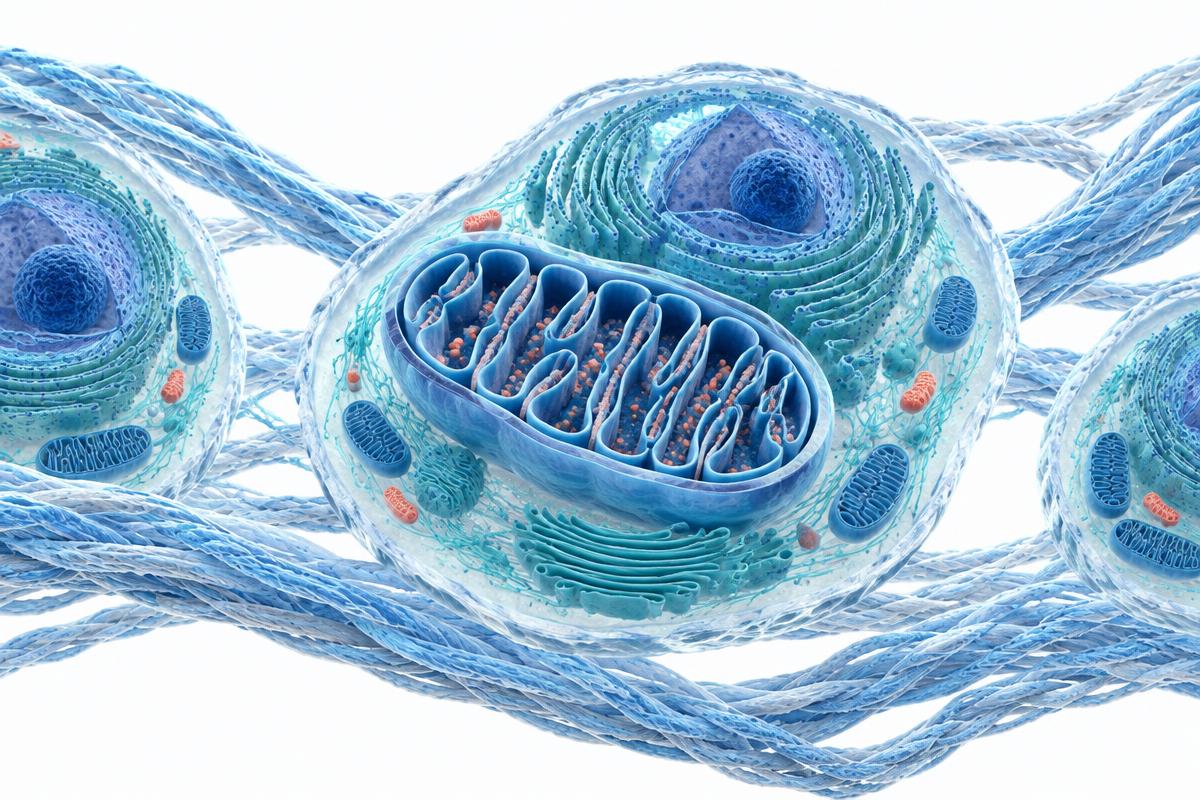
GHK is a tiny peptide — just three amino acids — that occurs naturally in human blood plasma. It binds copper, and in that form it is called GHK-Cu. Researchers first described it in the 1970s.
What studies have reported
- Cell and tissue studies reported that GHK-Cu was associated with increased collagen production and changes in the activity of genes linked to tissue repair.
- Animal wound studies reported faster wound closure in some models.
- A small number of cosmetic studies in people applied creams containing GHK-Cu to the skin and reported changes in measures such as fine lines and skin density, usually without strong controls.
The gaps
Large, independent, placebo-controlled trials in people are lacking. Several of the reviews most often cited were written by the same research group, and cosmetic studies are frequently industry-funded. Lab results show what a molecule can do in a dish, not what it does in a person.
GHK-Cu is not licensed as a medicine in the United Kingdom and is not approved for human or animal use.
Compounds referenced
Reference profiles: mechanism, published evidence and UK regulatory status.
Reference materials mentioned here
For laboratory research use only. Not a medicine and not for human or animal use.
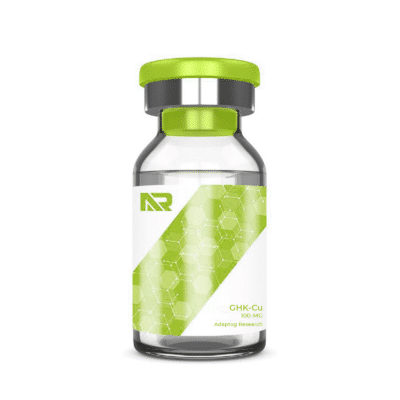 Research materialGHK-Cu£24.99£49.99View listing ›
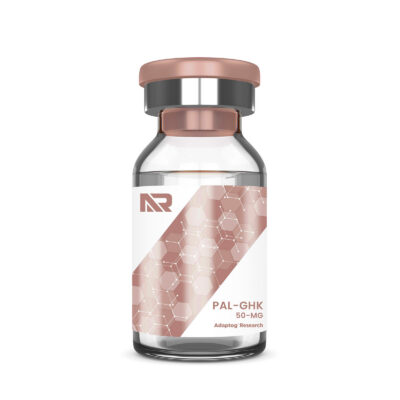 Research materialPal-GHK (Palmitoyl Gly-His-Lys)£49.99View listing ›
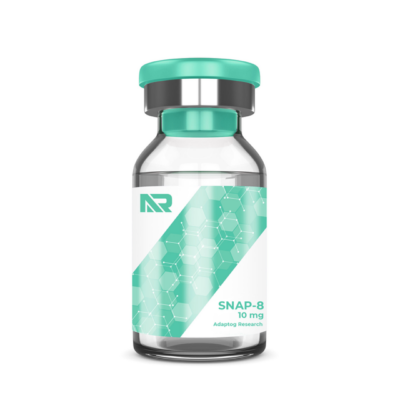 Research materialSNAP-8£49.99View listing ›
Veritide does not sell or supply anything. This links to a third-party UK laboratory supplier; we may earn a commission if you buy through it, at no extra cost to you. Materials are sold for laboratory research use only and are not licensed medicines.
Sources
Published for research and educational reference only. Not medical advice. No dosing, administration or acquisition guidance is provided.