
Study summary
Tesamorelin: the trials behind an approved use abroad
Tesamorelin is one of the few peptides in this library that went through full trials and was approved in the US. What did those studies actually show?
Veritide Research · 6 October 2026 · 5 min read
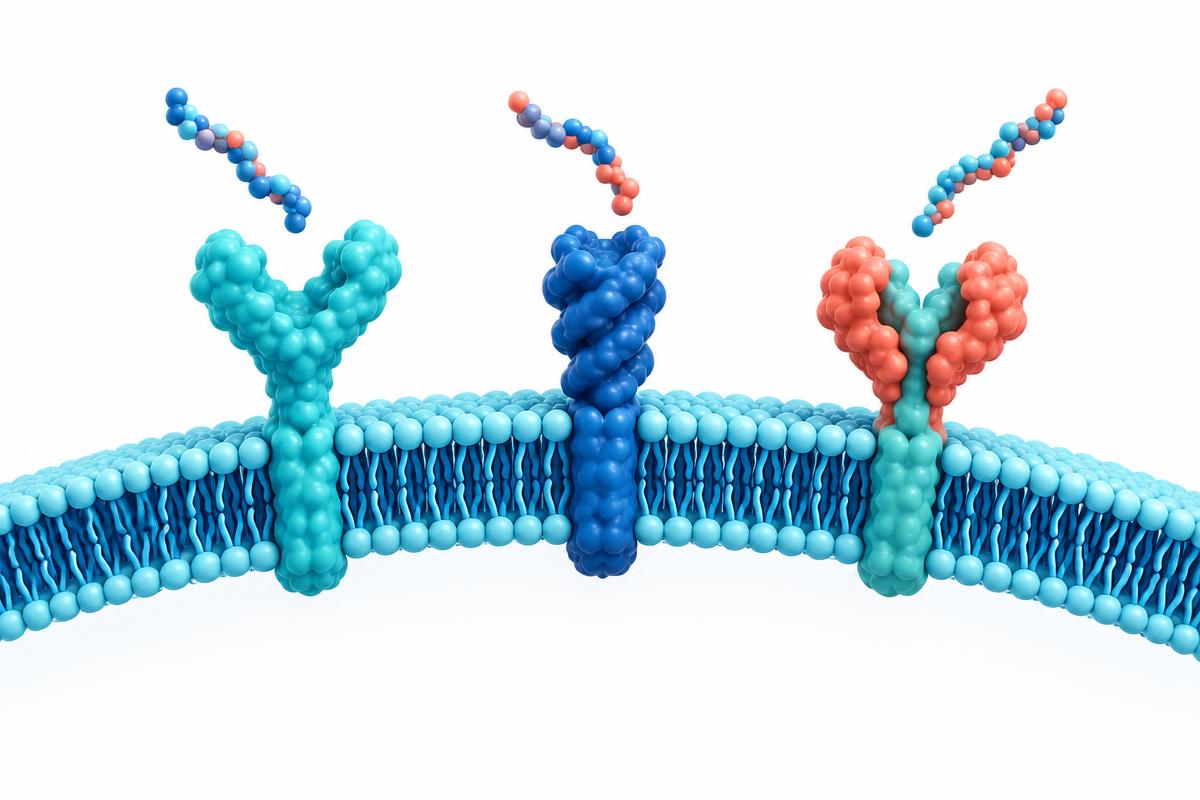
Tesamorelin is a modified version of growth-hormone-releasing hormone (GHRH), a signal the brain uses to tell the pituitary gland to release growth hormone.
What the studies measured
- Randomised, placebo-controlled trials published from 2007 onwards studied adults living with HIV who had built up excess fat around the abdominal organs (visceral fat).
- Investigators reported reductions in visceral fat, measured by CT scan, in the tesamorelin groups compared with placebo over around 26 weeks.
- The papers reported that much of the reduction was not maintained after the treatment period ended.
- Reported side effects included joint pain, injection-site reactions and changes in blood sugar measures.
Why this matters for the wider picture
The US FDA approved tesamorelin in 2010 for that one specific condition. That approval rests on a narrow population and a narrow outcome; it does not extend to other uses, and it says nothing about other GHRH-type peptides.
Tesamorelin is not licensed as a medicine in the United Kingdom. It holds no MHRA marketing authorisation and is not approved for human or animal use here.
Compounds referenced
Reference profiles: mechanism, published evidence and UK regulatory status.
Reference materials mentioned here
For laboratory research use only. Not a medicine and not for human or animal use.
 Research materialTesamorelin£49.99£65.00View listing ›
 Research materialSermorelin£49.99View listing ›
Veritide does not sell or supply anything. This links to a third-party UK laboratory supplier; we may earn a commission if you buy through it, at no extra cost to you. Materials are sold for laboratory research use only and are not licensed medicines.
Sources
Published for research and educational reference only. Not medical advice. No dosing, administration or acquisition guidance is provided.