
Methods
How to read a certificate of analysis
A COA is an analytical document, not a marketing one. Five checks separate a report that could fail from a decorative PDF.
Veritide Research · 18 August 2026 · 5 min read
Certificates of analysis are cited constantly in peptide discussion and read carefully far less often. The document is a laboratory report about one batch of material, and its value depends entirely on what it discloses.
1. A batch number that ties the paper to the material
A certificate without a batch or lot number describes an unidentifiable sample. Analytical convention treats the batch identifier as the link between the report and the physical material; without it, the report cannot be verified against anything.
2. Named analytical methods
Credible reports state the technique and its conditions: reverse-phase HPLC with column, gradient and detection wavelength; electrospray or MALDI mass spectrometry for identity confirmation. A purity figure with no method attached is an assertion rather than a result.
3. The traces, not only the summary numbers
A chromatogram and a mass spectrum are the underlying evidence. Peak shape reveals shoulders, tailing and secondary components that a single headline percentage conceals. Analytical guidance from ICH and USP treats the reported trace as part of the record.
4. Who performed the analysis
In-house testing can be technically sound but is not independent. Third-party analysis means a separate laboratory with no stake in the result. Reports that identify the testing laboratory allow a reader to judge that distinction; reports that do not, do not.
5. Water and counter-ion content
This is the most common reason a stated mass and an assay result disagree. Freeze-dried peptide carries residual water, measured by Karl Fischer titration, and usually a trifluoroacetate counter-ion. Both contribute mass that is not peptide. Net peptide content, where reported, is what makes two certificates comparable.
This article concerns how to read analytical documents. It is not guidance on obtaining, handling for use, or administering any compound.
Compounds referenced
Reference profiles: mechanism, published evidence and UK regulatory status.
Reference materials mentioned here
For laboratory research use only. Not a medicine and not for human or animal use.
 Research materialRetatrutide£94.99View listing ›
 Research materialBPC-157£29.99View listing ›
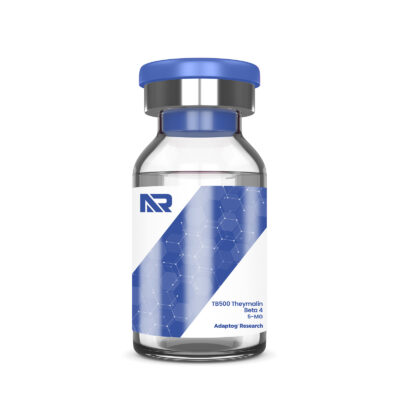 Research materialTB-500£69.99View listing ›
Veritide does not sell or supply anything. This links to a third-party UK laboratory supplier; we may earn a commission if you buy through it, at no extra cost to you. Materials are sold for laboratory research use only and are not licensed medicines.
Sources
Published for research and educational reference only. Not medical advice. No dosing, administration or acquisition guidance is provided.