
Methods
Why a mouse result is not a human result
Many peptide claims online trace back to animal or cell studies. This plain-English guide explains the stages of research and why each one matters.
Veritide Research · 21 September 2026 · 5 min read
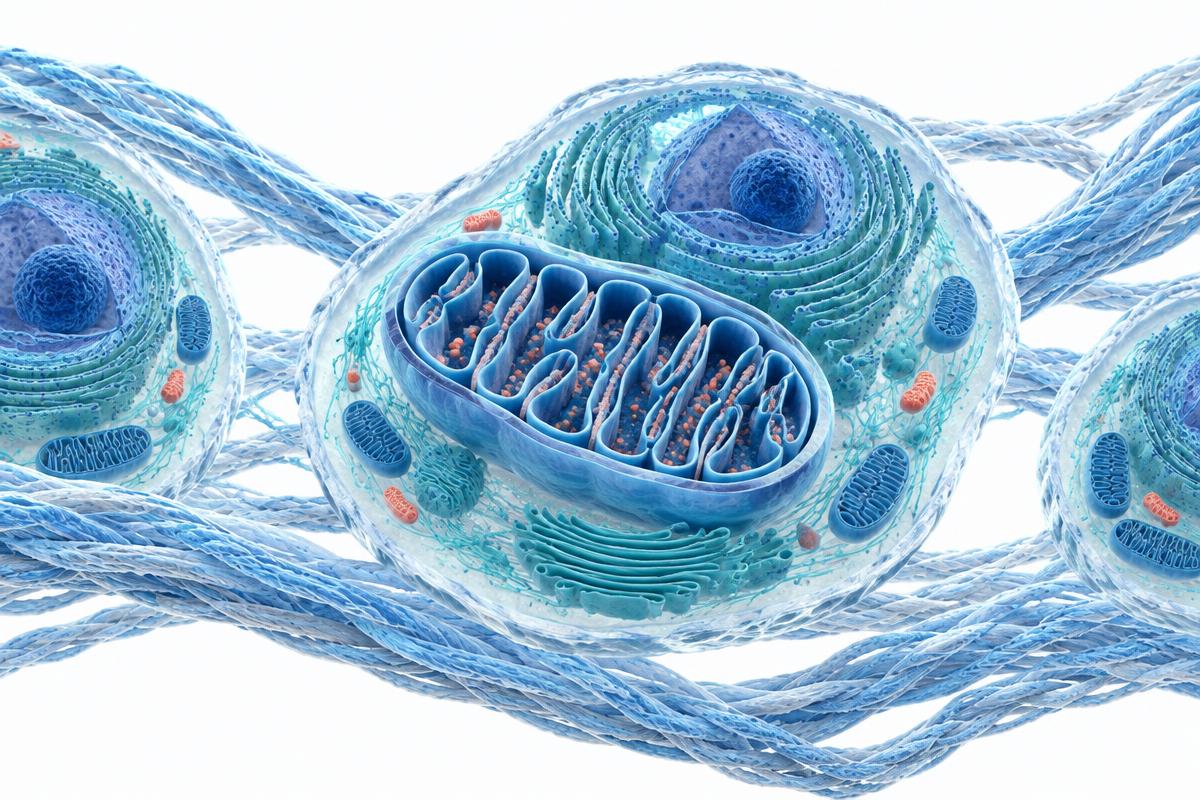
When a headline says a peptide 'heals tendons' or 'reverses ageing', the first question worth asking is: in what? The answer is often a dish of cells or a group of rats.
The usual stages
- Cell studies (in vitro): test what a molecule does to cells in a dish. Useful for ideas, poor at predicting effects in a whole body.
- Animal studies: test effects in a living system, usually rodents. Many results do not carry over to people.
- Phase 1 trials: small groups of people, mainly to check safety.
- Phase 2 trials: larger groups, testing whether there is any effect at all.
- Phase 3 trials: hundreds or thousands of people, compared against placebo or existing treatment.
Why so many results fall away
Published analyses of drug development have reported that most compounds that look promising in animals do not succeed in human trials, whether because they do not work as hoped or because of safety problems. Bodies differ, doses differ and the conditions modelled in animals rarely match human illness exactly.
On Veritide's compound profiles, the 'What has research seen in people?' section only describes human studies. Where there are none, the profile says so.
Compounds referenced
Reference profiles: mechanism, published evidence and UK regulatory status.
Reference materials mentioned here
For laboratory research use only. Not a medicine and not for human or animal use.
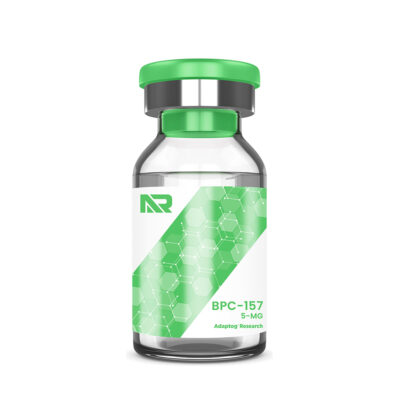 Research materialBPC-157£29.99View listing ›
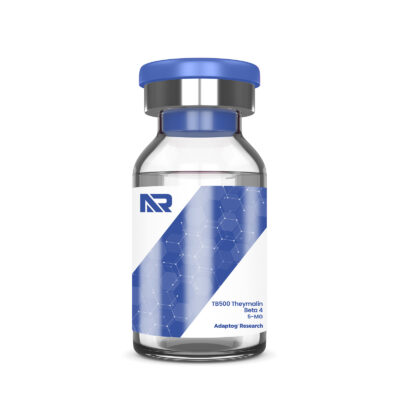 Research materialTB-500£69.99View listing ›
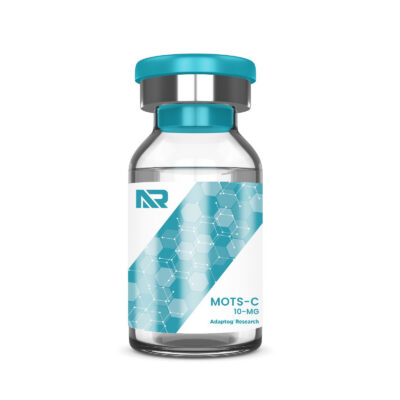 Research materialMOTS-c£49.99View listing ›
Veritide does not sell or supply anything. This links to a third-party UK laboratory supplier; we may earn a commission if you buy through it, at no extra cost to you. Materials are sold for laboratory research use only and are not licensed medicines.
Sources
Published for research and educational reference only. Not medical advice. No dosing, administration or acquisition guidance is provided.