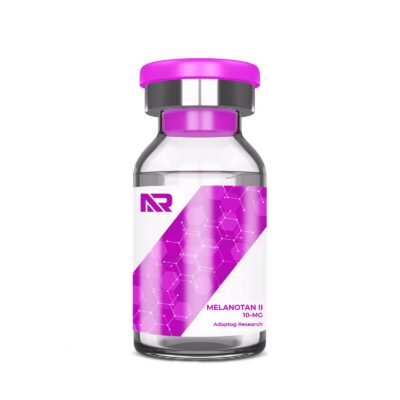
Retatrutide
Triple incretin receptor agonist
An experimental peptide that acts on three hormone receptors. Researchers studied it in phase 2 trials involving weight and blood sugar.
Plain-English peptide research. Affiliate links are disclosed.Peptides explained in plain English, from published research. Veritide sells nothing; some links to a third-party UK laboratory supplier earn us a commission. Research and educational reference only — not medical advice.


Also cited in the literature as MT-2
A peptide that stimulates pigment cells. It was never approved anywhere, and UK health bodies have issued warnings about it.
Regulatory status: Not licensed as a medicine in the United Kingdom. It holds no MHRA marketing authorisation, has no approved indication, and is not approved for human or animal use.
Hormone & signalling research
Research stage: No completed controlled trials; safety concerns documented in case reports
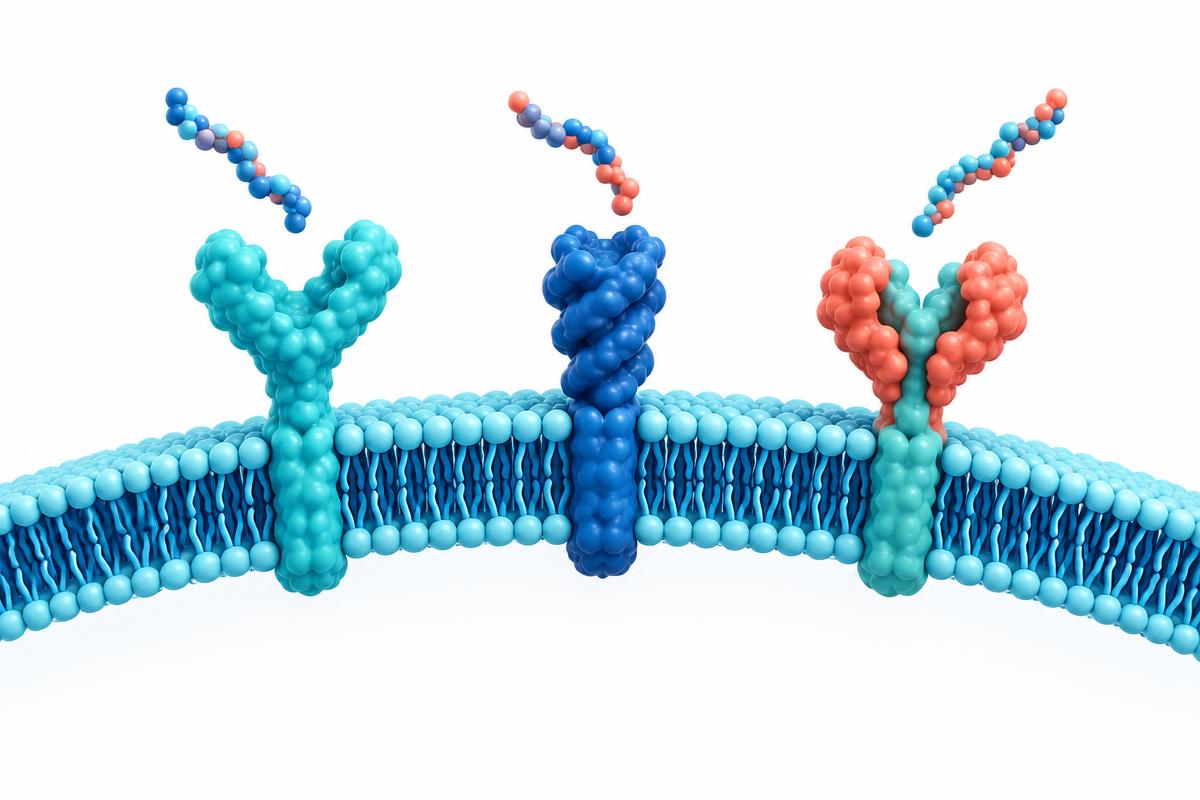
The research pathway — not every compound has reached human trials. Illustrations are simplified, not study results.
Melanotan 2 is a laboratory-made ring-shaped peptide based on alpha-MSH. Unlike the licensed pigment peptide, it activates several melanocortin receptors rather than one.
Studies described activation of the MC1 receptor on pigment cells, along with MC3, MC4 and MC5 receptors, which are involved in appetite, sexual response and other functions.
Early small studies reported increased skin pigmentation, and separately effects on sexual response, which led to a different compound being developed.
Most of what is documented in people comes from case reports: moles darkening and changing, melanomas found after use, nausea, flushing and some cases of kidney injury.
UK health bodies have published warnings about unlicensed injectable tanning products.
For laboratory research use only. Not a medicine and not for human or animal use.
Veritide does not sell or supply anything. This links to a third-party UK laboratory supplier; we may earn a commission if you buy through it, at no extra cost to you. Materials are sold for laboratory research use only and are not licensed medicines.
Triple incretin receptor agonist
An experimental peptide that acts on three hormone receptors. Researchers studied it in phase 2 trials involving weight and blood sugar.
Dual GLP-1 / glucagon receptor agonist
An experimental peptide based on a natural gut hormone. Researchers studied it mainly in phase 2 and phase 3 trials in China.
Synthetic pentadecapeptide
A laboratory-made peptide made of 15 amino acids. Almost all published research involved cells or rodents rather than people.